The Phases of the Moon
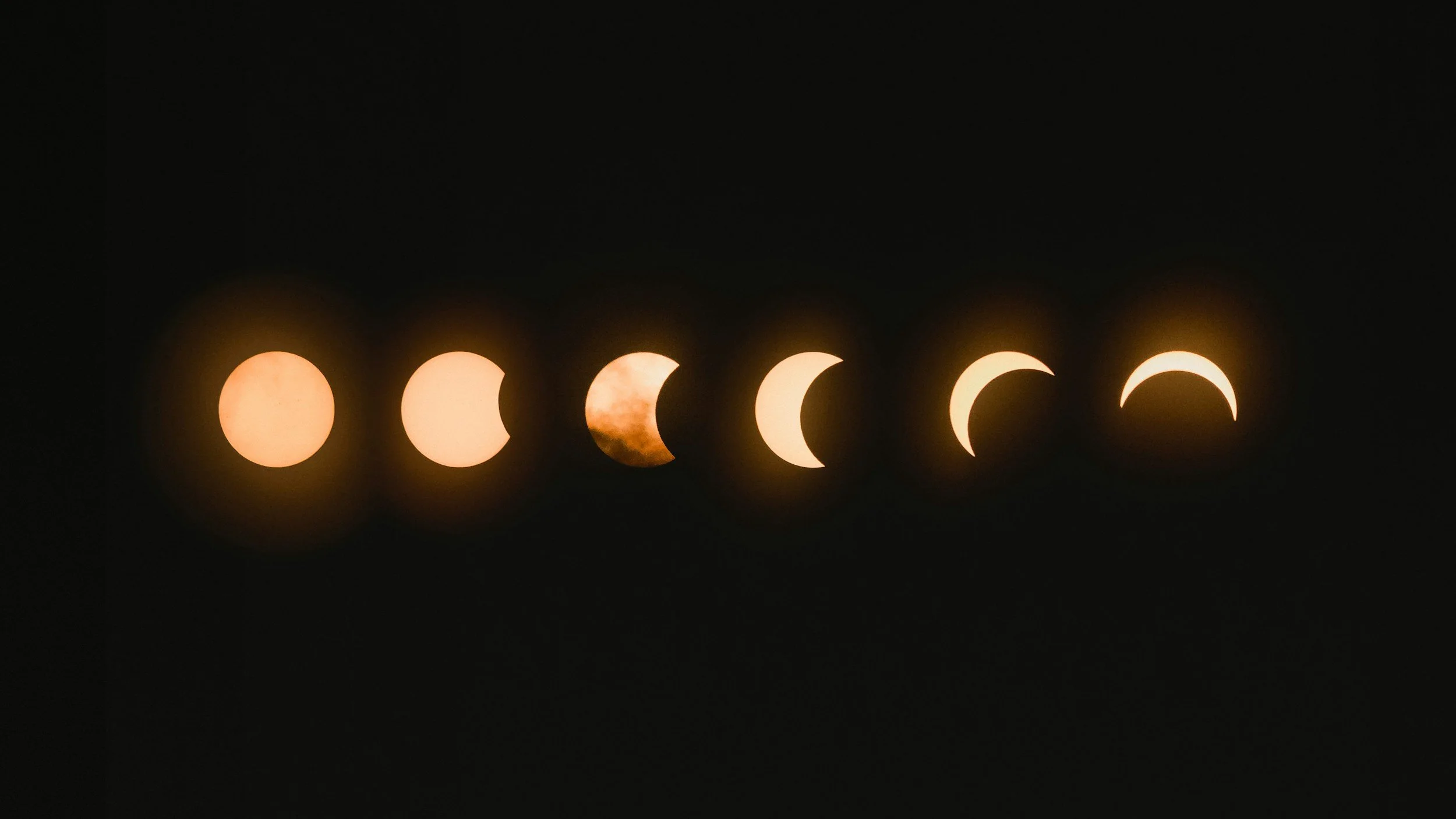
The Phases of the Moon:
Science, Spirituality, and Tribal Beliefs
The Moon has been a source of wonder, guidance, and spiritual significance for cultures around the world. Understanding the Moon’s phases allows us to connect with both its scientific cycles and the wisdom passed down through generations. Explore the phases of the Moon, their scientific explanations, and the spiritual and tribal beliefs surrounding them.
The Eight Phases of the Moon
The Moon follows a cycle known as the lunar cycle, which lasts approximately 29.5 days. The primary phases include:
1. New Moon
Scientific Explanation: The Moon is between the Earth and the Sun, making it invisible to the naked eye.
Spiritual/Tribal Beliefs:
Symbolises new beginnings and fresh starts.
Many indigenous and tribal cultures use this phase to set intentions, plant seeds (literally and metaphorically), and meditate.
Rituals may include cleansing ceremonies and manifestation practices.
2. Waxing Crescent
Scientific Explanation: A small sliver of the Moon is visible as it begins to grow.
Spiritual/Tribal Beliefs:
Represents growth, learning, and progress.
Some Native American traditions see this as a time of hope and planting ideas for the future.
Common rituals include writing affirmations and visualising goals.
3. First Quarter
Scientific Explanation: Half of the Moon is visible as it moves towards fullness.
Spiritual/Tribal Beliefs:
Symbolises decision-making, action, and overcoming obstacles.
Many cultures perform fire or water rituals to gain clarity and courage.
It’s a powerful time for setting intentions into motion.
4. Waxing Gibbous
Scientific Explanation: More than half of the Moon is visible, approaching full.
Spiritual/Tribal Beliefs:
Represents refinement, persistence, and fine-tuning.
Many ancient civilisations believed this was a time of preparation and heightened intuition.
Practices include journaling and expressing gratitude for progress.
5. Full Moon
Scientific Explanation: The entire face of the Moon is illuminated by the Sun.
Spiritual/Tribal Beliefs:
Considered the most powerful phase, symbolising completion and manifestation.
Many cultures hold Full Moon ceremonies, drum circles, and purification rituals.
Some tribes believe this is a time when the veil between worlds is thin, making spiritual connections stronger.
6. Waning Gibbous
Scientific Explanation: The Moon begins to shrink, transitioning toward darkness.
Spiritual/Tribal Beliefs:
Represents gratitude, reflection, and sharing wisdom.
Some indigenous traditions focus on giving back and expressing thanks for blessings.
Rituals may include storytelling and community gatherings.
7. Third Quarter
Scientific Explanation: Half of the Moon is visible as it continues to wane.
Spiritual/Tribal Beliefs:
Symbolises release, forgiveness, and letting go.
Many cultures engage in ceremonies to cleanse negative energy or past burdens.
It is a time to cut ties with what no longer serves one’s purpose.
8. Waning Crescent
Scientific Explanation: A small sliver of the Moon remains before the cycle restarts.
Spiritual/Tribal Beliefs:
Represents surrender, rest, and introspection.
Some tribal traditions use this phase for deep meditation and ancestor communication.
Rituals may include quiet solitude, fasting, or prayer.
Connecting with the Moon
Throughout history, cultures worldwide have used the Moon as a guide. Here are ways to honour and connect with lunar energy:
Moon Journaling: Track your emotions, goals, and experiences during each phase.
Lunar Rituals: Participate in cleansing, meditation, or ceremony based on the phase.
Tribal Wisdom: Research and honour indigenous traditions that resonate with you.
Nature Walks: Spend time outside under the Moon’s light to absorb its energy.
By understanding the Moon’s phases scientifically and spiritually, we align ourselves with nature’s rhythms and ancient wisdom. May this knowledge bring insight, balance, and connection to all who seek it.