Lammas (Lughnasadh)
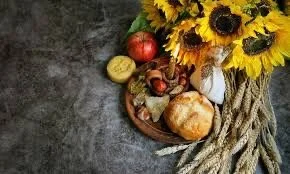
Honouring the First Harvest
Lammas, also known as Lughnasadh, is celebrated around 1st February and marks the first harvest of the year. It’s a turning point on the Wheel of the Year — the moment when the lush fullness of summer begins its gentle shift toward autumn.
This festival honours grain, bread, and the fruits of our labour. Traditionally, the first sheaves of wheat were cut, ground, and baked into bread, offered in gratitude for the land’s abundance. There’s a quiet magic here: celebrating not just what has grown, but the work, patience, and persistence that made it possible.
Themes of Lammas
Gratitude and abundance
Harvesting what you’ve sown (physically, emotionally, spiritually)
Sacrifice and exchange — letting go to receive
Community, sharing, and sustenance
Lammas is associated with the Celtic god Lugh, a deity of skill, craftsmanship, and sovereignty. It’s a reminder that abundance isn’t accidental — it’s created through devotion, practice, and care.
Traditional Ways to Celebrate
Bake bread (or buy it mindfully) and eat it with intention
Share food with loved ones or your community
Decorate your space with grain, sunflowers, corn, wheat, or late-summer herbs
Offer thanks to the land, your ancestors, or the spirits you work with
Working with Lammas Energy
Lammas is a powerful time to pause and reflect:
What has come to fruition for you this year?
What efforts are beginning to show results?
What is no longer sustainable and needs to be released?
You might:
Journal about what you’re proud of cultivating
Create a small altar with bread, candles, and seasonal plants
Perform a gratitude ritual — naming your harvest aloud
Consciously release a habit, belief, or situation that has run its course
This is also a moment to acknowledge sacrifice — the truth that every harvest requires something to be cut down. Honour what you’re letting go of, even if it once served you well.
A Gentle Reminder
Lammas teaches us that abundance is not endless — it’s precious. By honouring what we receive, we learn how to steward it wisely.
May you recognise your harvest, bless your efforts, and share your abundance freely.